
Guides
How to Hire a Security Guard in Melbourne (2026 Guide)
A simple, no-jargon guide to hiring a licensed security guard in Melbourne, what to check, what to ask, what it costs and how to brief them.

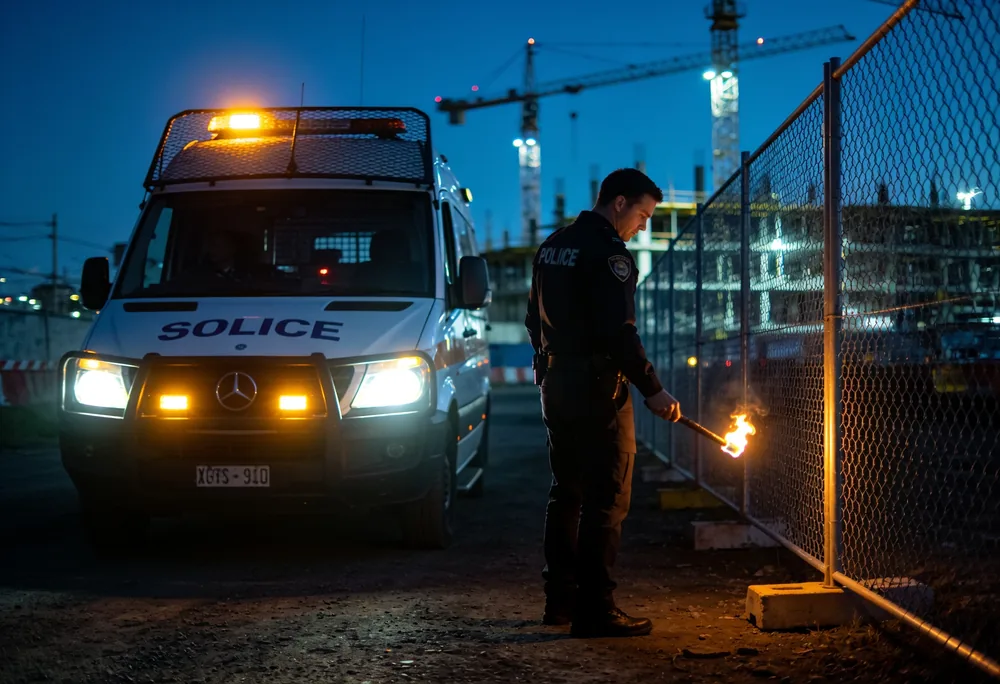
Static guards stay on one site for constant, visible deterrence and access control. Mobile patrols visit multiple sites on a schedule for a lower cost. Choose static for high-risk or high-traffic sites, and mobile patrol for after-hours cover across larger or quieter properties.
Static guard or mobile patrol? It's the question almost every business asks when they first look at security, and the wrong choice either wastes money or leaves a gap. The good news is the answer is usually clear once you look at how your site actually behaves: who's there, when, and what you're protecting. This guide makes the call easy.
A static guard stays on one site for the whole shift. A mobile patrol drives between several sites and checks each one on a schedule. Static gives you constant presence and control. Mobile gives you regular cover at a fraction of the cost. The right choice comes down to risk and budget, and plenty of sites use both.
| Static guard | Mobile patrol | |
|---|---|---|
| Presence | Constant, one site | Scheduled visits |
| Best for | High traffic or high risk | After-hours, larger or quiet sites |
| Cost | Higher (per hour) | Lower (per visit) |
| Access control | Yes | Limited |
| Response | Instant, on site | Fast, already mobile |
| Proof of cover | On-site presence | GPS-verified logs |
Pick static cover when people need managing in real time: retail floors, building sites during work hours, receptions, and events. If you need someone to control access, respond instantly, and be a visible deterrent, a static guard earns its keep. The constant presence is the point. Anyone weighing up whether to try something sees a guard and moves on, and your staff and visitors have someone there the moment an issue starts. Read more about static security guards.
Mobile patrol suits empty or after-hours sites: closed warehouses, car parks, vacant buildings, and strata complexes. You get random checks that keep opportunists guessing, alarm response, and lock-up or unlock, without paying for a guard to stand still all night. The randomness is a feature, because an intruder can't learn the pattern and wait it out. And because one team covers several sites, you spread the cost. See how mobile patrol security works.
A static guard is priced per hour, so round-the-clock cover means paying for every one of those hours. A patrol is priced per visit or per route, so you're paying for presence at the moments that matter rather than the whole night. For a single high-risk site that needs eyes on it constantly, static is the honest answer. For three quiet sites that mainly need checking overnight, patrols cover far more ground per dollar. The cheapest option is the one matched to your real risk, not the lowest hourly rate.
Yes, and many sites get the best result from a mix. A common setup is a static guard during busy hours, a gate or reception post while people are coming and going, then mobile patrols once everyone's left. That gives you presence when the site's active and proof of coverage when it's empty, without paying for a guard to watch a locked gate at 3am. Construction sites and warehouses use this blend constantly.
Start with three questions. When is your site at risk, during the day, after hours, or both? Does anyone need managing in real time, like visitors or customers? And how many sites or how large an area are you covering? If the risk is constant and people-facing, lean static. If it's after-hours and spread out, lean patrol. If it's a bit of both, a blend usually wins.
It's worth checking your policy. Some commercial and construction insurers expect a documented security arrangement, and a few reduce premiums or excesses when you can show regular patrols or a guarded site. Either way, keeping the reports and GPS logs a good provider gives you makes any future claim far easier to support. If you're not sure what your insurer wants, ask them before you choose between static and patrol, because the answer can tip the decision one way or the other.
There's a third option worth knowing about, especially if the budget's tight. With CCTV monitoring and remote guarding, cameras watch your site and a control-room operator responds in real time, challenging intruders over speakers and dispatching a patrol if needed. For vacant or after-hours sites, it often replaces an on-site guard at a fraction of the cost. Plenty of clients pair remote monitoring with mobile patrols, so there's always eyes on the site and boots ready to roll. It won't suit a busy retail floor that needs a person on hand, but for quiet, empty sites it's a smart, cost-effective layer.
The fastest way to get it right is a quick site assessment. Tell us how your site runs and we'll recommend static, mobile or a mix, with a clear quote either way. We won't push the pricier option if the cheaper one does the job. Not sure which fits? See our security guards or get a quick quote.
A simple, no-jargon guide to hiring a licensed security guard in Melbourne, what to check, what to ask, what it costs and how to brief them.
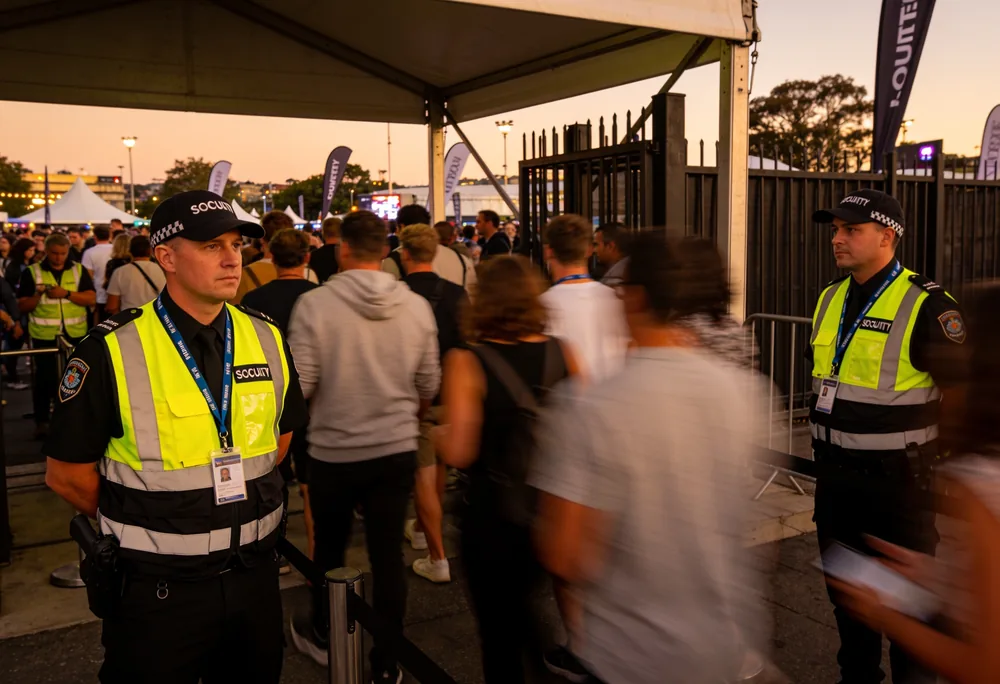
Real 2026 prices for event security in Melbourne, how many guards you need, what drives the cost, and how to keep it down.

Beyond standing at a door, here's what a professional security guard really does on a Melbourne site, and what makes a good one.
Have a question about this guide?
If you'd like advice for your specific site, event or budget, our licensed Melbourne team's happy to help, with no obligation.
Ask our team →